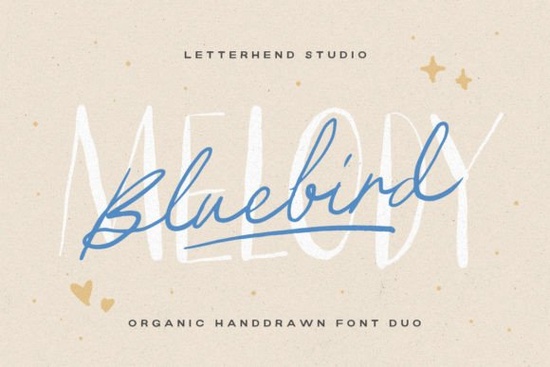
If you need a typeface that feels personal but still reads cleanly on products and screens, Bluebird Melody Font delivers exactly that. This pairing brings together a flowing script and a straightforward sans serif, both designed with a relaxed handwriting feel. The script carries a soft, elegant rhythm, while the matching sans serif keeps your layout grounded and easy to read. Whether you are designing wedding stationery, labeling handmade candles, or setting up a print-on-demand shop, having both styles in one package saves time and keeps your branding consistent.
What makes this font duo work so well together?
Font pairings often fail when the two styles compete for attention. Here, the script handles the decorative work, and the sans serif steps in for body text, captions, and small details. The handwritten texture gives your designs a warm, approachable look without sacrificing legibility. You will notice smooth baseline shifts and natural letter connections that mimic real pen strokes, which helps avoid that stiff, computer-generated feel. Because both fonts share the same underlying proportions, they align neatly on the page. This makes spacing and kerning much easier, especially when you are working in Canva, Illustrator, or Cricut Design Space.
Where can you use a handwritten script and sans serif pair?
A versatile type family like this fits comfortably across many creative projects. Small business owners often use it for product labels and thank-you cards, while crafters rely on it for vinyl decals and personalized gifts. Print-on-demand sellers find that the clean sans serif keeps mockups readable, and the script adds a boutique touch to titles and quotes. Here are a few places where this combination tends to perform well:
- Brand logos and social media headers that need a friendly, human feel
- Wedding invitations, place cards, and event signage
- Packaging stickers, jar labels, and retail hang tags
- Quote graphics, digital planners, and printable wall art
If you are exploring other handwritten styles for seasonal campaigns, you might also want to browse a rustic typeface built for outdoor themes or look into a lighter travel-inspired lettering set when your project calls for a different mood.
How do you install and pair these fonts in your projects?
Installation is straightforward on both Windows and Mac. Once you extract the downloaded files, double-click the .ttf or .otf files and select install. After that, restart your design software so the new typefaces appear in your font menu. When laying out your design, keep the script for headlines, short phrases, or signatures. Use the sans serif for longer paragraphs, pricing details, or contact information. A good rule of thumb is to limit the script to one or two lines per layout. Too much decorative text can overwhelm the reader and make small print hard to cut or weed.
If you enjoy testing different handwritten combinations, you can compare this duo with a brush-style lettering option that brings more texture, or check out an older retro-inspired typeface when your brand leans toward classic aesthetics. For a deeper look at how this specific family handles different weights and glyphs, you can preview Bluebird Melody Font directly on the marketplace.
What should you check before adding a new font to your toolkit?
Not every decorative typeface works well for commercial products. Before you commit to a purchase, verify the licensing terms for your intended use. Some fonts allow unlimited personal projects but require an upgraded license for items you sell. You should also test the font at different sizes, especially if you plan to use it on embroidered patches, laser-cut wood, or small product tags. Thin strokes can disappear during production, while overly tight letter spacing might cause vinyl to tear. Running a quick print test or exporting a low-resolution mockup will save you from costly reprints later.
When you are ready to start designing, keep this quick checklist handy:
- Confirm the commercial license covers your sales channel (Etsy, Shopify, Amazon, or local markets)
- Install both the script and sans serif files, then restart your design program
- Set the script size between 36pt and 72pt for headlines, and keep body text in the sans serif at 10pt to 14pt
- Check contrast by printing a sample on your actual paper or material
- Save a branded template with your chosen colors, spacing, and font hierarchy for future projects
Start with a simple mockup, adjust the tracking until the letters breathe, and let the handwritten style do the heavy lifting. If you want to explore more pairing ideas later, you can always return to the full collection page to grab matching elements or updated glyph sets.
Try It Free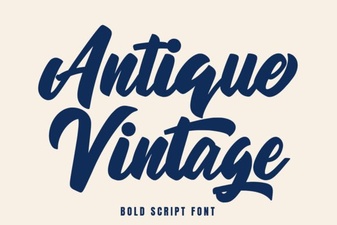 Timeless Antique Fonts for Creative Projects
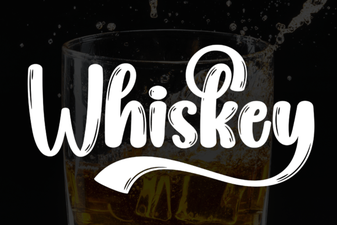 Whiskey Font Styles for Branding and Design
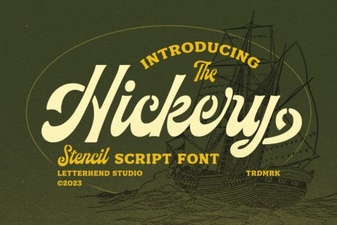 Hickery Font: Your Next Creative Project Partner
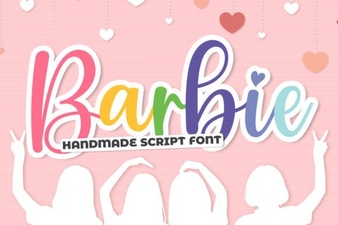 Barbie Fonts for Creative Design Projects
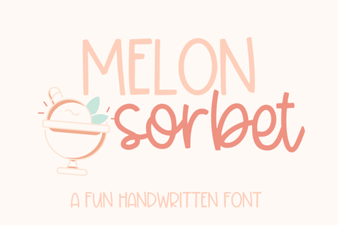 Melon Sorbet Font for Fresh Web Designs
 Behappy Font: Joyful Designs & Creative Uses