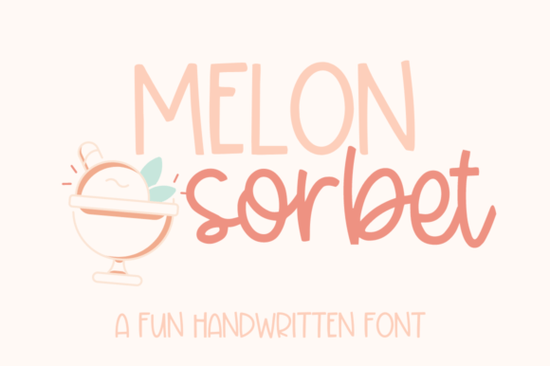
If you are looking for a lighthearted typeface that feels hand-drawn without sacrificing readability, Melon Sorbet Font delivers exactly that. This playful handwritten style works best when you want to add a friendly, approachable touch to logos, greeting cards, t-shirt graphics, stickers, and social media posts. Instead of forcing a rigid structure, the letters flow with a natural bounce that mimics casual marker or brush strokes, making it a reliable choice for crafters, print-on-demand sellers, and small business owners who need quick, polished results.
What makes this handwritten style work for everyday branding?
Handwritten fonts often struggle with consistency, but a well-crafted script balances personality with clear letterforms. The slightly rounded edges and uneven baseline give your designs a handmade feel while keeping the text legible at smaller sizes. When you are creating product labels or shop banners, that subtle imperfection actually builds trust. Customers associate organic lettering with small-batch quality, personal attention, and creative care. You can use it for short headlines, product names, or accent phrases without overwhelming the main message.
Which projects suit a playful script best?
Not every design needs a serious typeface. Some layouts thrive on warmth and charm. Here are a few places where this style consistently performs well:
- Apparel and tote bags: Short phrases or single words centered on the chest or pocket area
- Stickers and die-cut labels: Rounded letters match perfectly with curved sticker borders
- Social media templates: Quote overlays, sale announcements, and behind-the-scenes captions
- Greeting cards and invitations: Casual birthdays, baby showers, and seasonal thank-you notes
- Small business packaging: Handwritten-style thank you tags and order confirmation inserts
Keep the text short. Scripts lose their impact when stretched into long paragraphs. Use a clean sans-serif for body copy and let the handwritten font handle the visual hook.
How do you pair it with other typefaces?
Pairing fonts is less about matching styles and more about creating contrast. Since this script already carries a lot of personality, you want supporting fonts that step back and let it shine. A neutral geometric sans-serif works well for descriptions, pricing, and contact details. If you prefer a more themed approach, you might combine it with a rugged display script for vintage-inspired merch, or test it alongside a soft pastel handwritten style when designing feminine stationery sets. For playful kids’ products, some creators layer it with a retro doll-inspired typeface to capture that nostalgic energy. When you need something completely different for wedding or anniversary prints, a classic calligraphy alternative can handle the formal elements while this font takes care of the casual accents. You can also explore the complete Melon Sorbet family to find matching weights or alternate glyphs that keep your brand consistent across multiple products.
What should you check before using it in commercial projects?
Fonts look great on screen, but real-world production requires a few practical steps. First, verify the file formats included in your download. Most modern script fonts ship with OTF and TTF files, which install smoothly on Windows and Mac. If you plan to use the typeface in Cricut Design Space, Silhouette Studio, or Canva, make sure the software supports desktop font installation or web embedding. Second, review the license carefully. Personal use usually covers gifts and home crafts, while commercial use applies to anything you sell, including digital templates, printed merch, and client work. Some licenses limit the number of physical items or require an extended license for large print runs. When in doubt, check the creator’s terms directly. You can also browse Melon Sorbet Font to confirm current licensing details and grab any bonus glyphs or multilingual support that might be included.
How can you avoid common script font mistakes?
Handwritten typefaces are forgiving, but a few small adjustments make a big difference in the final output. Always turn on kerning and ligatures if the font supports them. Automatic spacing can sometimes leave awkward gaps between specific letter combinations, especially with slanted scripts. If your design software allows it, manually nudge overlapping letters so they connect naturally. Avoid stretching or condensing the font horizontally. Distorting the proportions breaks the hand-drawn illusion and makes the letters look cheap. Instead, adjust the tracking slightly or choose a different weight if the layout feels too tight. Finally, test your design at actual print size. A logo that looks crisp at 300 pixels might lose detail when printed on a 2-inch sticker. Run a quick test print on plain paper before committing to vinyl, cardstock, or fabric.
Quick setup checklist before you start designing
- Install the OTF/TTF files and restart your design software
- Enable contextual alternates and ligatures in the typography panel
- Pair the script with a simple sans-serif for body text and fine print
- Keep headlines under six words for maximum readability
- Export a test file at 300 DPI and print a physical proof
- Verify your license covers the intended commercial or personal use
Take a few minutes to set up your workspace correctly, and you will save hours of revision later. Start with a simple mockup, adjust the spacing by hand where needed, and let the natural charm of the letters do the heavy lifting.
Try It Free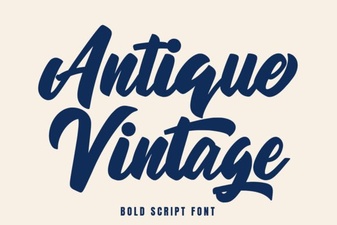 Timeless Antique Fonts for Creative Projects
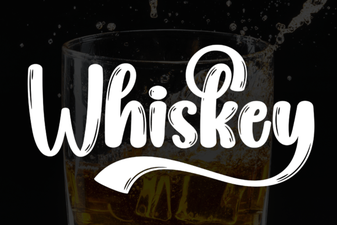 Whiskey Font Styles for Branding and Design
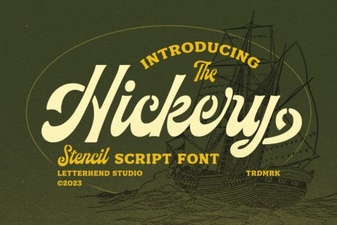 Hickery Font: Your Next Creative Project Partner
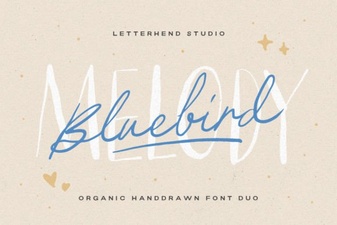 Bluebird Melody: a Creative Font for Projects
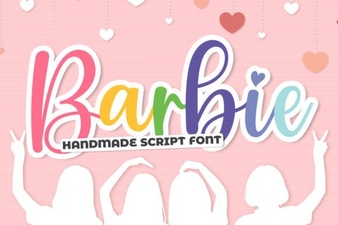 Barbie Fonts for Creative Design Projects
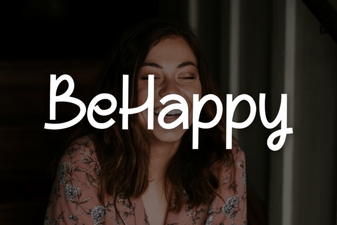 Behappy Font: Joyful Designs & Creative Uses