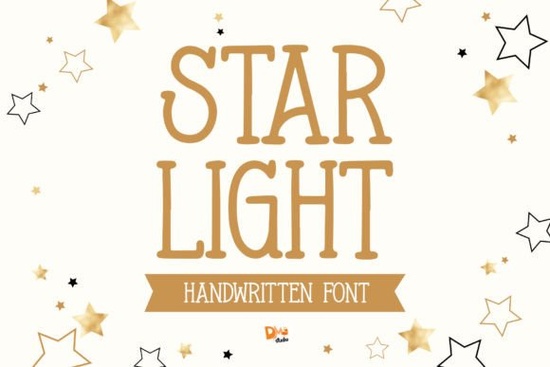
If you need a typeface that feels sturdy but still approachable, Star Light Font is worth a closer look. It’s a clean slab serif with balanced proportions and just enough character to stand out without overwhelming your layout. Designers, crafters, and print-on-demand sellers often reach for this style when they want readable headlines, clear product labels, or branding that feels reliable and modern.
What makes this slab serif work for everyday design projects?
Slab serifs are known for their thick, block-like serifs and strong visual presence. This particular design keeps things tidy by avoiding heavy ornamentation. The letterforms are evenly spaced, which means your text stays legible even at smaller sizes. That matters when you’re working on packaging, social media graphics, or workshop flyers where clarity comes first. The clean lines also make it easier to cut with vinyl plotters or print on textured materials without losing detail.
If you’ve been browsing through other slab serif options for branding work, you’ll notice how this one strikes a middle ground between bold display type and practical body text. It doesn’t shout, but it holds its own on a busy canvas.
How do you pair a slab serif with other typefaces?
One of the easiest ways to get more mileage from a single font is to pair it thoughtfully. Because the structure is straightforward, it plays well with contrasting styles. Try matching it with a light sans serif for subheadings, or a flowing script for accent words. The key is to keep the hierarchy clear: let the slab serif handle the main message, and use the secondary font for supporting details.
- Headlines: Use the slab serif at 72pt or larger for posters and storefront signs.
- Subtext: Pair with a neutral sans serif at 18–24pt for readability.
- Accents: Add a handwritten script sparingly for dates, names, or short taglines.
- Spacing: Increase letter spacing slightly on all-caps layouts to improve breathing room.
When you test combinations, print a small sample first. Screen rendering can hide spacing issues that become obvious on paper or fabric.
Where does this font fit best for print-on-demand and small business branding?
Small shops and POD sellers need type that translates across multiple products without looking repetitive. A well-structured slab serif works on tote bags, mug wraps, sticker sheets, and digital mockups alike. Because the strokes are consistent, it scales cleanly from a two-inch logo mark to a full-width banner. That consistency saves time when you’re adapting one design for five different products.
Many creators also use this style for seasonal collections. The sturdy letterforms hold up well when layered with textures, grain overlays, or subtle gradients. If you’re building a cohesive shop identity, you can explore more typeface pairings that match this slab serif style to keep your listings visually aligned.
What should you check before adding a new font to your toolkit?
Not every font file is built the same way. Before you commit to a new download, run through a quick quality check. Look for complete character sets, proper kerning pairs, and clear licensing terms. Commercial use rights matter if you plan to sell finished products, and a well-organized font file will save you from missing glyphs mid-project.
You can preview how Star Light Font handles different weights and punctuation marks directly on the platform. Testing a few sample phrases like “Quick Brown Fox” or your actual brand name will show you how the curves and serifs behave in real layouts.
Quick checklist before you start designing
- Verify the license covers your intended use, whether personal, commercial, or print-on-demand.
- Install the font properly and restart your design software to avoid caching glitches.
- Test uppercase, lowercase, numbers, and special characters in a single layout.
- Check spacing at both small and large sizes to catch tight kerning or uneven gaps.
- Export a print-ready PDF and a web-optimized PNG to compare sharpness across formats.
Keep your font folder organized by grouping slab serifs, scripts, and sans serifs into separate subfolders. When your next deadline hits, you’ll spend less time searching and more time designing.
Try It Free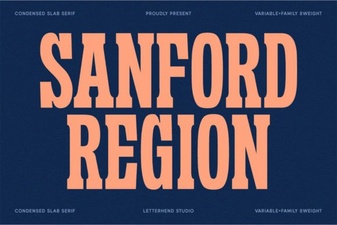 Sanford Font: Creative Design Projects & Ideas
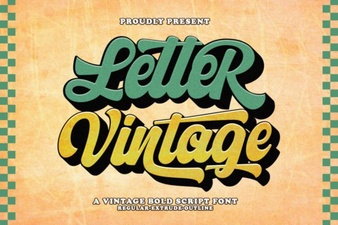 Vintage Lettering Fonts for Creative Design Projects
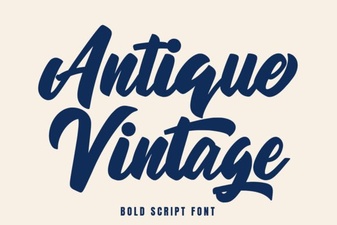 Timeless Antique Fonts for Creative Projects
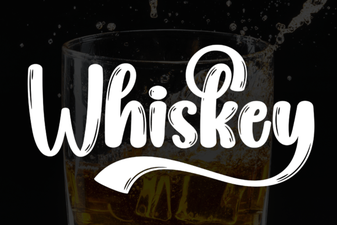 Whiskey Font Styles for Branding and Design
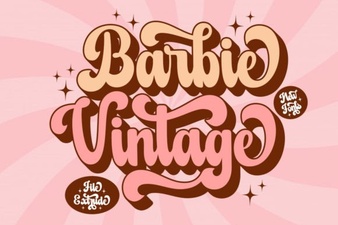 Designing with Vintage Barbie Extrude Font Style
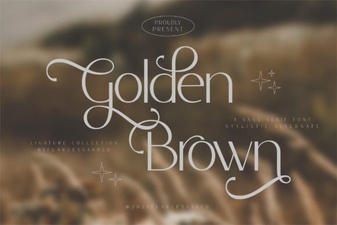 Golden Brown Fonts: a Design Guide