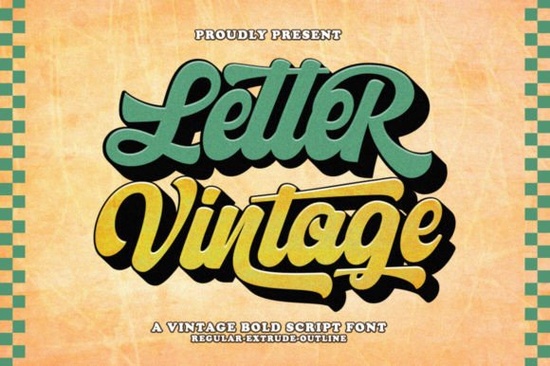
If you need a typeface that captures the bold, nostalgic feel of mid-century advertising and retro packaging, Letter Vintage Font delivers exactly that. It blends thick, confident letterforms with a slightly weathered script style, making it a practical choice for designers, crafters, print-on-demand sellers, and small business owners who want authentic vintage character without spending hours adding manual textures. The font works straight out of the box for logos, apparel graphics, signage, and book covers that need a strong seventies or eighties presence.
What makes this retro typeface reliable for everyday projects?
The real advantage of this font is its balance between heavy strokes and clear readability. Many retro display fonts sacrifice legibility for style, but this one keeps each letter distinct even when scaled down for labels or social media thumbnails. The built-in distressed edges mimic old screen printing and faded poster ink, which saves you from stacking grunge overlays in your design software. For hobbyists cutting vinyl or shop owners printing product tags, that natural texture means faster workflows and cleaner final results. You get a finished, professional look without overcomplicating your layers.
Where does a 70s and 80s inspired font fit best?
This style works hardest when your goal is to communicate warmth, nostalgia, or handcrafted quality. It performs especially well across these common applications:
- Apparel and merchandise: Bold chest prints, sleeve logos, and tote bag designs that need to stand out on cotton or blended fabrics.
- Product packaging: Coffee bags, candle labels, and snack boxes that benefit from a retro shelf presence.
- Event posters and storefront signs: Farmers markets, live music nights, or pop-up shops where a vintage vibe naturally draws foot traffic.
- Editorial and book covers: Titles that require a strong, nostalgic hook without overwhelming the underlying artwork.
Because the letterforms already carry substantial weight, you rarely need heavy drop shadows or complex effects. A simple two-color palette usually does the job.
How should you pair it with other display fonts?
When mixing typefaces, contrast keeps your layout from feeling crowded. Since this font commands attention, pair it with lighter, cleaner styles for subheadings or supporting text. If you are building a complete retro toolkit, you might explore options like hand-drawn tracing styles for playful accents, or test a soft extruded display font when your project calls for a pop-culture throwback. For storybook or fantasy-themed layouts, a whimsical vintage script can soften the boldness nicely. On the other hand, if your design needs a sharp, modern counterpoint, a sleek contemporary display typeface keeps the overall composition balanced. You can also review spacing and alternates on the main product page before finalizing your pairings.
What technical steps keep your files print-ready?
Working with heavy retro typography requires a few simple adjustments to maintain crisp output. Always convert your text to outlines before sending artwork to a printer. This locks in your exact spacing and prevents missing font errors on the production end. Watch your kerning on overlapping letters, as vintage scripts often include natural swashes that can collide if tracking is too tight. Adjust spacing manually rather than relying on automatic software settings. Choose backgrounds carefully, too. Dark charcoal, warm cream, or muted earth tones make the thick strokes pop without creating harsh visual contrast. If you are cutting this font on a vinyl plotter, simplify extremely fine details or use a thicker cut setting to avoid weeding problems. For digital mockups, export at 300 DPI for print files and 72 DPI for screen use. If you want to compare this style against other popular retro typefaces, you can browse Letter Vintage Font alongside similar designs to find the exact weight and mood your project requires.
What should you verify before exporting your final design?
Before you publish or send your artwork to production, run through a quick quality check to ensure the vintage effect looks intentional rather than accidental. Use this short checklist to catch common oversights:
- Stacked words are aligned deliberately, with consistent visual spacing between lines.
- Punctuation marks scale correctly and do not look too thin next to heavy letters.
- The design holds its hierarchy when viewed in grayscale, proving color is not doing all the work.
- File dimensions match your printer or platform requirements, with bleeds added where necessary.
- A small physical proof has been printed or plotted to verify spacing and cut lines.
Take five minutes to test your layout on the actual material you plan to use. Screen brightness often hides spacing issues that become obvious on paper, fabric, or cardboard. Once your proof looks clean, export your final files, organize your font licenses, and move straight into production.
Download Now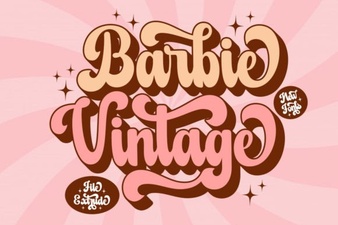 Designing with Vintage Barbie Extrude Font Style
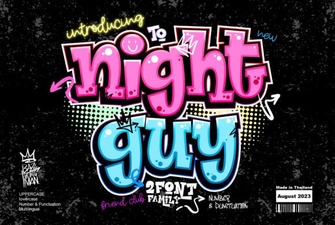 Night Guy Font: Creative Typography Projects
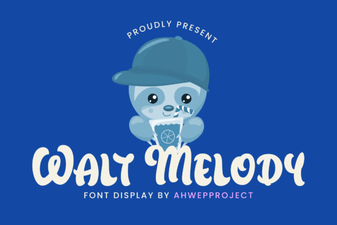 Discover & Download the Walt Melody Font
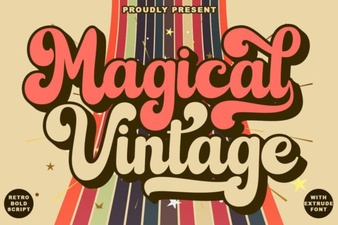 Magical Vintage Fonts for Design & Creativity
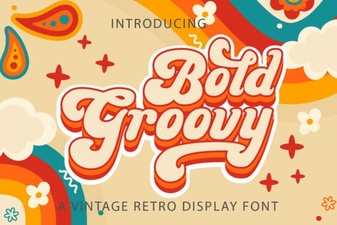 Groovy Fonts: Creative Design Projects & Ideas
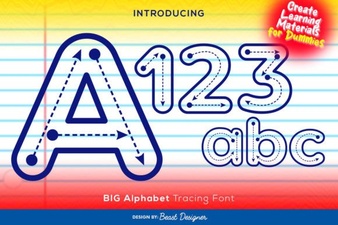 Designing Projects with Big Alphabet Tracing Font