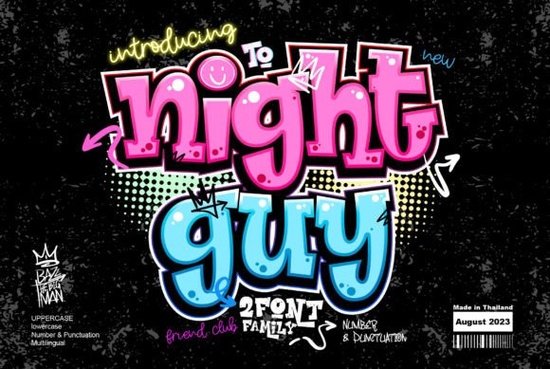
If you need a heavy, street-inspired typeface that grabs attention without sacrificing readability, Night Guy Font delivers exactly that. This bold graffiti display font was built for projects that require immediate visual impact, making it a practical choice for print-on-demand sellers, poster designers, and small business owners who want their typography to stand out on shelves and screens.
What makes this graffiti typeface stand out?
Most street-style fonts lean into messy strokes or complex ligatures, which often cause legibility issues at smaller sizes. Night Guy takes a cleaner approach. The letterforms are thick and deliberately structured, giving you that raw urban feel while keeping every character easy to read. The consistent weight across uppercase and lowercase letters means your headlines will look balanced whether you are printing a large banner or scaling down for a product label. Designers who work with display typography will notice how tight kerning prevents the text from feeling cluttered, saving you time during layout adjustments for merchandise mockups or social graphics.
Which projects work best with a bold display font?
Heavy display typefaces thrive where you only have a few seconds to communicate a message. You will get the most value from this font when you use it for:
- Streetwear branding and apparel tags
- Concert posters, event flyers, and album covers
- YouTube thumbnails and podcast artwork
- Product packaging that needs a loud, youthful voice
- Short quotes on wall art and vinyl stickers
Because the design carries heavy visual weight, reserve it for headlines or accent text. Let a simpler sans serif handle the body copy. If you are building a retro-themed shop banner, you might also browse options like a warm vintage style to soften the overall layout. For darker branding, pairing it with a sharper gothic display can create useful contrast without competing for attention.
How do I install and pair it effectively?
Installation follows the standard desktop process. Download the file, extract the archive, and double-click the .ttf or .otf file to install it. Restart your design software so the new typeface loads correctly. When pairing, stick to light or regular weights for supporting text. A clean geometric sans will keep the focus on your headline while maintaining readability. If you are designing educational materials, you might want to balance the heavy display style with a clear tracing typeface for worksheets. For classic branding projects, a traditional serif layout often grounds the modern graffiti shapes nicely. And if you are experimenting with layered text effects, testing a playful extruded alternative can help you decide which direction fits your mockup best.
What should I check before using it commercially?
Licensing is the step most creators overlook until they face a takedown notice. Before adding this typeface to client work or marketplace listings, open the included license file and verify commercial usage rights. Check whether the terms cover:
- Print-on-demand merchandise and digital downloads
- Client branding and logo registration
- Web embedding or app integration
Keep a copy of your purchase receipt and license terms in a dedicated folder. If you plan to sell designs on platforms like Etsy or Amazon Merch, having clear documentation protects your shop. You can also review the official listing for Night Guy Font to confirm the latest licensing details directly from the creator.
Quick next steps before you start designing
Run through this short checklist to avoid common layout issues:
- Install the font files, then restart your design app.
- Test your headline at actual print size to check spacing.
- Pair with a light sans serif and keep line height generous.
- Verify commercial rights match your intended sales channel.
- Export a test mockup in CMYK for print and RGB for digital.
When you match a strong display typeface with the right project scope and clear licensing, your designs will look intentional and sell more consistently. Pick a single use case, run a quick layout test, and adjust your pairing until the headline reads cleanly at a glance.
Explore Design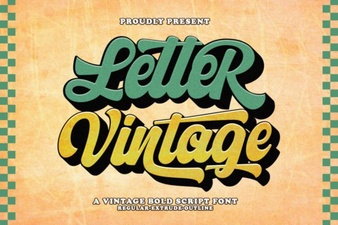 Vintage Lettering Fonts for Creative Design Projects
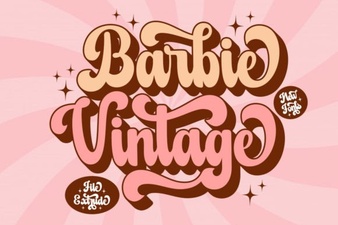 Designing with Vintage Barbie Extrude Font Style
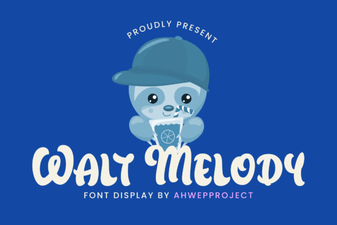 Discover & Download the Walt Melody Font
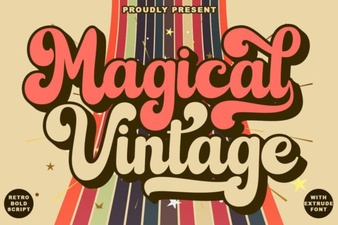 Magical Vintage Fonts for Design & Creativity
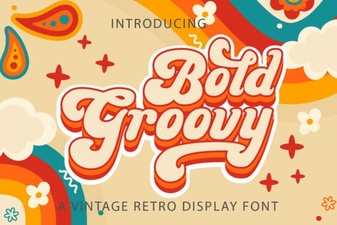 Groovy Fonts: Creative Design Projects & Ideas
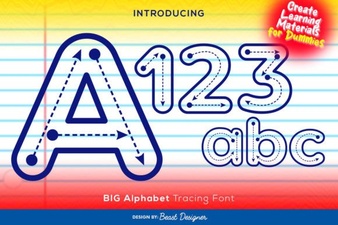 Designing Projects with Big Alphabet Tracing Font