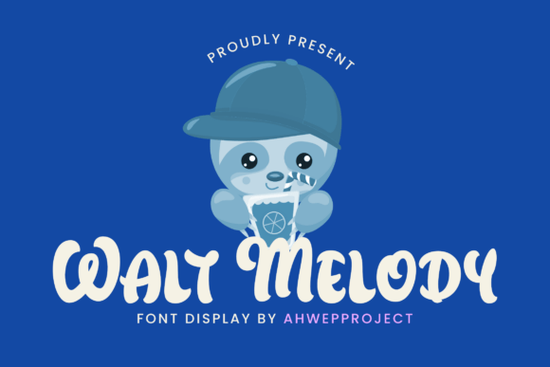
If you are looking for a playful display typeface that brings storybook charm to your projects, Walt Melody Font delivers exactly that. Designed with smooth curves and a whimsical rhythm, this lettering draws clear inspiration from classic animated styles while keeping its own distinct personality. Whether you are designing children’s book covers, custom apparel, or themed party invitations, the typeface adds a lighthearted touch without feeling overly cartoonish. You can review the complete file package and format options on the main product page before you start designing.
What makes this typeface work for everyday projects?
The strength of this font lies in its balanced proportions and readable display style. Unlike heavily decorated scripts that lose clarity at smaller sizes, it keeps its shapes clean and predictable. That makes it reliable for print-on-demand products, digital stickers, and small business branding where legibility matters. The letterforms have a gentle bounce that feels hand-drawn, yet they sit evenly on the baseline so your text never looks messy.
Another practical detail is the PUA encoding. If you have ever struggled with missing swashes or hidden alternates in design software, you will appreciate that every glyph is fully accessible. You can pull up special characters directly in Cricut Design Space, Silhouette Studio, or Adobe Illustrator without extra steps. This saves time when you are tweaking logos or laying out multi-line quotes.
How should you pair it with other typefaces?
Display fonts work best when they share the page with simpler, neutral typefaces. Since this style carries a lot of visual personality, let it handle headlines or short phrases. For body text, choose a clean sans serif. If you want to experiment with contrasting moods, you might browse a heavier retro style to create a playful hierarchy on posters. The key is keeping the supporting font quiet so the main message stays clear.
When you are aiming for a nostalgic or fairy-tale aesthetic, combining this lettering with a soft storybook alternative can add depth to book covers or nursery art. Just remember to limit your design to two typefaces maximum. Too many decorative fonts competing for attention will make the layout feel crowded.
Which projects get the most value from this style?
Crafters and small shop owners often reach for this kind of lettering when they need instant thematic recognition. Here are a few places where it performs well:
- Children’s merchandise: t-shirts, tote bags, and labels that need a friendly vibe
- Event stationery: birthday invitations, baby shower signs, and themed banners
- Digital products: printable wall art, planner covers, and social media graphics
- Branding elements: playful logos, shop headers, and packaging for handmade goods
If your shop leans toward rustic aesthetics, you might test how it sits alongside a classic worn lettering style to create contrast between old and new. For fantasy-themed collections, pairing it with a darker medieval option can help you build cohesive product lines without starting from scratch.
What do you need to know before downloading?
Most creative marketplaces offer this typeface with a commercial license, but you should always verify the exact terms before selling. Check whether the license covers physical products, digital downloads, or both. Installation is straightforward on Windows and Mac. Unpack the files, double-click the OTF or TTF, and select install. Restart your design program so the font appears in your menu.
You can explore licensing options, preview the full character set, and see customer examples for the Walt Melody Font directly on the marketplace. Browsing the gallery often sparks new layout ideas and shows how other makers are scaling the typeface for different products.
How do you get the best results on your first try?
Start by testing your headline at different sizes. Display typefaces usually look their best between 48pt and 96pt, depending on your canvas. Pay attention to kerning, especially around curved letters like C, O, and W. A small manual adjustment can make the whole phrase feel more polished. If you are printing on textured paper or fabric, run a quick test print to check how the thin strokes hold up.
When you are ready to move forward, keep this quick checklist nearby:
- Verify the commercial license matches your intended use
- Install the font files and restart your design software
- Open the glyph panel to access PUA-encoded alternates
- Pair the display font with a simple, readable supporting typeface
- Test print or export a sample before finalizing your product
Set up a reusable template with your preferred size, spacing, and color palette. Once your workflow is dialed in, you can adapt the same layout for seasonal updates or new listings without rebuilding your design every time.
Download Now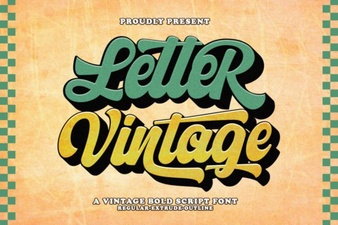 Vintage Lettering Fonts for Creative Design Projects
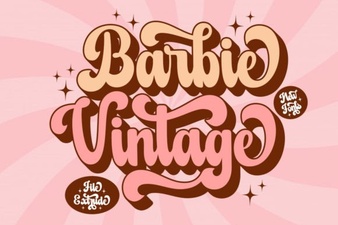 Designing with Vintage Barbie Extrude Font Style
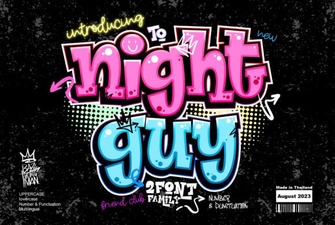 Night Guy Font: Creative Typography Projects
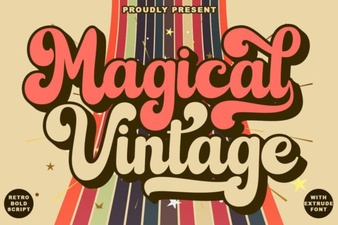 Magical Vintage Fonts for Design & Creativity
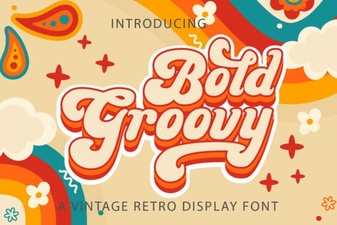 Groovy Fonts: Creative Design Projects & Ideas
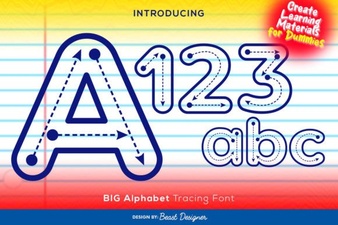 Designing Projects with Big Alphabet Tracing Font