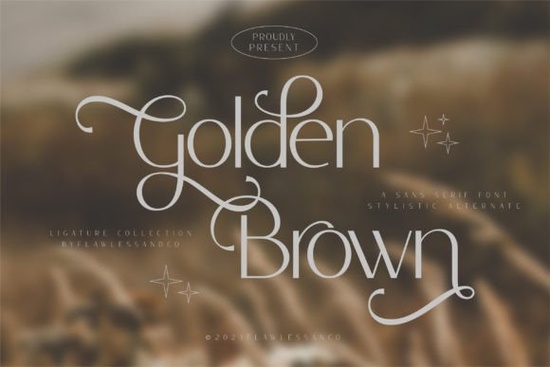
If you need a clean, modern typeface that works across branding, print-on-demand listings, and craft projects, the Golden Brown Font delivers exactly that. It is a refined sans serif designed with smooth curves, balanced proportions, and a set of built-in alternates and ligatures that give your layouts a polished feel without extra editing time. Whether you run a small shop, design social media graphics, or create printable art, this typeface fits neatly into everyday creative workflows.
What makes this sans serif typeface stand out?
Most sans serif fonts lean heavily toward strict geometry or casual handwriting. This one sits comfortably in the middle. The letterforms keep a steady rhythm, making long paragraphs easy to read while still looking sharp in short headlines. The real advantage comes from the alternate characters and ligatures included in the package. Instead of settling for default letter connections, you can swap in subtle variations that break up repetitive shapes and add a quiet sense of craftsmanship to your work.
The spacing is already tuned for both screen and print, so you spend less time adjusting kerning and more time finalizing your layout. If you regularly browse sans serif typeface collections for reliable workhorses, you will notice how this one balances professionalism with an approachable tone.
Where does it work best for print and digital projects?
Because the strokes are even and the counters are open, the font holds up well at small sizes. That makes it a safe choice for product tags, packaging labels, and website navigation menus. At larger sizes, the clean lines keep logos and poster headlines looking crisp without feeling overly corporate.
Print-on-demand sellers often use it for quote shirts, mug designs, and sticker sheets because the letters remain legible even when scaled down or printed on textured materials. Crafters appreciate how the glyphs cut cleanly on vinyl and cardstock, while small business owners find it pairs nicely with minimalist branding kits. If you want to see how a lighter, more playful style compares for seasonal projects, you might also look at how bright summer typefaces handle similar layout challenges.
How do the alternates and ligatures change your workflow?
Alternates and ligatures solve common design problems. When two letters sit awkwardly next to each other, a ligature bridges the gap and creates a smoother visual flow. Alternate characters let you adjust the mood of a word without switching to a completely different font family. You can keep a professional base for body text, then swap in a few stylized letters for a logo mark or featured headline.
To use them effectively:
- Turn on OpenType features in your design software before typing your final layout.
- Test a few word combinations to see which ligatures activate automatically.
- Use alternates sparingly so the design stays readable and balanced.
- Export a test print or screen mockup to check how the details render at your target size.
This approach saves time during revisions and keeps your files organized. You can also explore the full Golden Brown Font library to see how the character set supports multilingual projects and special punctuation.
What should you check before adding it to your toolkit?
Before you commit any typeface to a client project or product line, run through a quick compatibility check. Verify that the file formats match your software. Most modern design programs support OTF and TTF files, but some older cutting machines or mobile apps work better with one format over the other. Review the licensing terms carefully, especially if you plan to sell physical goods, digital templates, or use the font in client branding.
Pairing is another practical consideration. This sans serif works well with a simple serif for body copy or a light script for accent words. Keep the hierarchy clear by using weight, size, and spacing instead of adding too many decorative elements.
Quick next steps before you start designing:
- Install the OTF or TTF files and restart your design software.
- Enable OpenType alternates and ligatures in the character panel.
- Set up a test layout at your final print or screen size.
- Check the license for your intended commercial or personal use.
- Save a reusable template with your preferred spacing and pairing choices.
With those basics in place, you can move straight into production and let the clean, reliable letterforms handle the rest.
Try It Free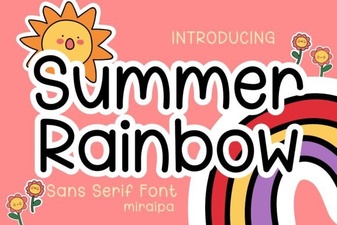 Bright Summer Fonts for Creative Designs
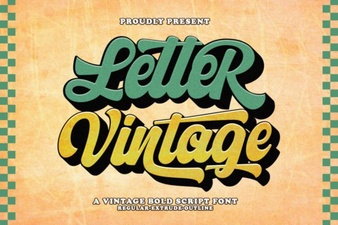 Vintage Lettering Fonts for Creative Design Projects
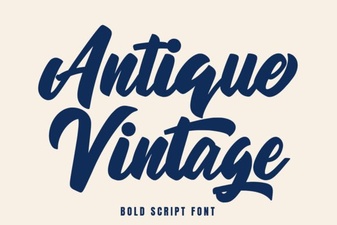 Timeless Antique Fonts for Creative Projects
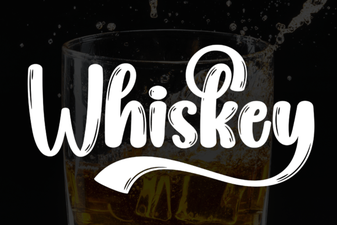 Whiskey Font Styles for Branding and Design
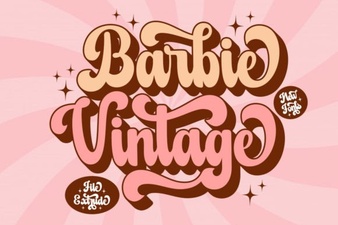 Designing with Vintage Barbie Extrude Font Style
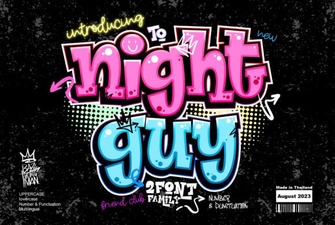 Night Guy Font: Creative Typography Projects