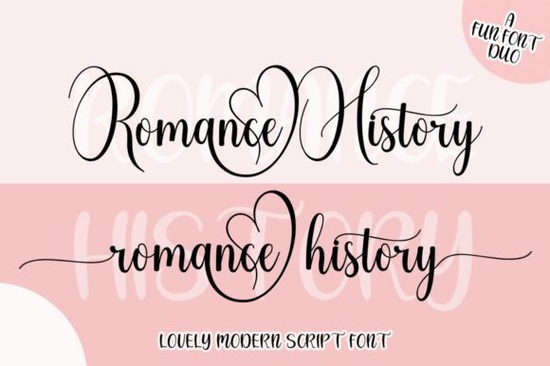
If you need a reliable typeface that balances clean modern lines with a soft handwritten feel, the Romance History Font duo delivers exactly that. It pairs a refined sans serif with a flowing script, giving you two complementary styles in one download. Designers, crafters, and small business owners use this combination to keep branding consistent while adding a personal touch to invitations, packaging, and digital mockups.
What makes this font duo work for wedding and branding projects?
The strength of this pairing comes from contrast. The sans serif provides structure for headlines and practical details, while the handwritten style adds warmth to names and accent words. Alternating between the two creates clear visual hierarchy without clutter. This works especially well for wedding stationery, boutique logos, and product labels where readability and personality need to coexist. The characters are evenly spaced and include smooth ligatures, which reduces manual kerning and speeds up client revisions or print-on-demand listing prep.
How do you pair the sans serif and handwritten styles?
Assign each style a specific role to keep your layout balanced. Use the modern sans serif for primary headlines, addresses, and packaging instructions. Reserve the script for names, short phrases, and decorative accents on business cards. Keep script text under three lines, since long paragraphs in a handwritten typeface become difficult to scan on small tags. If you want to test different moods for seasonal campaigns, you might compare it with a lighter script alternative or a more relaxed vacation-themed style to see how stroke weight changes your layout.
Which design projects get the best results?
This duo shines when you need a polished yet approachable look. Makers frequently use it for wedding invitations, candle labels, book covers, and printable planners. The clean letterforms scale nicely from large posters down to small sticker cuts. When working with cutting machines, convert text to outlines first and run a quick test cut, since thin script strokes can tear if blade pressure is too high. If you are building a cohesive shop aesthetic, you can rotate complementary typefaces for seasonal drops. For example, a playful summer script pairs nicely with the same sans serif base, while a rugged display alternative can shift the mood toward outdoor branding. You can also preview the full Romance History collection to check alternate glyphs.
What should you check before downloading?
Font files behave differently depending on your software and intended use. Before adding any typeface to your workflow, verify a few practical details. Look for OTF and TTF versions, since OTF usually supports advanced OpenType features like ligatures. Confirm that your design software renders script connections correctly, and check whether the license covers personal projects, commercial sales, or print-on-demand distribution. Always verify that punctuation and numbers are included. You can review the official listing and licensing details for Romance History Font directly on Creative Fabrica to avoid surprises later.
How do you get clean results in print and digital formats?
Typography looks different on screen than it does on paper. Export print files at 300 DPI and convert text to outlines before sending to a printer. Use high-contrast color pairings for the script style, since light text on pale backgrounds often disappears in standard printing. Test your layout at actual size, and keep web versions optimized by exporting text as PNG or SVG when custom font embedding is not supported. Small adjustments like increasing line height slightly can improve readability without changing the overall aesthetic.
Quick setup checklist before you start designing:
- Install both font files and restart your design software.
- Turn on OpenType features to access ligatures and alternates.
- Set a clear hierarchy: sans serif for structure, script for accents.
- Run a test print or digital preview at 100 percent scale.
- Verify your license matches your intended commercial or personal use.
Once those steps are complete, you can move straight into layout work with confidence. The right typeface should stay out of the way, letting your message and imagery do the talking while keeping your brand recognizable across every project.
Get Started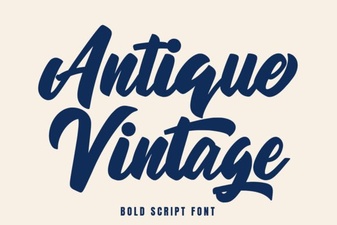 Timeless Antique Fonts for Creative Projects
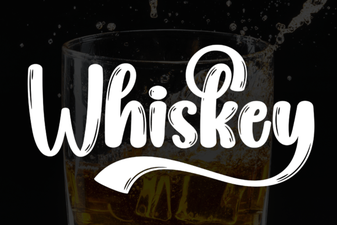 Whiskey Font Styles for Branding and Design
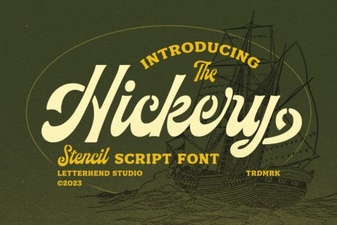 Hickery Font: Your Next Creative Project Partner
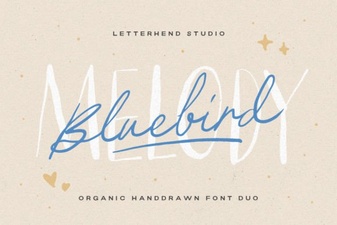 Bluebird Melody: a Creative Font for Projects
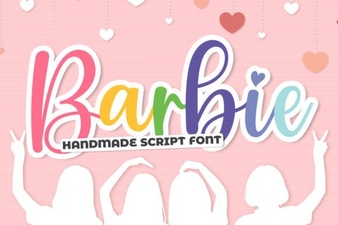 Barbie Fonts for Creative Design Projects
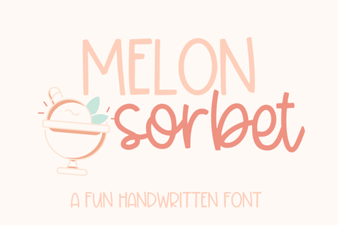 Melon Sorbet Font for Fresh Web Designs