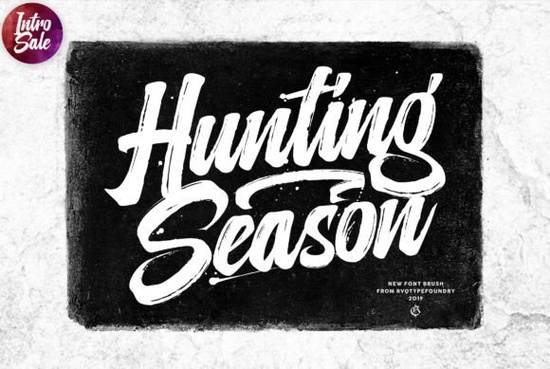
What makes this brush font stand out for everyday projects?
Brush fonts can easily become messy when scaled down, but this typeface keeps its letterforms clean and well-spaced. The thick downstrokes give it a confident look, while the lighter upstrokes add just enough movement to feel hand-drawn. You will notice that the characters connect naturally without forced ligatures, which means you can type normally and still get a polished result. The font includes standard punctuation, numbers, and basic multilingual support, so you are not left guessing when a project requires a date, price, or short phrase in another language. For makers who switch between vinyl cutters, sublimation printers, and standard inkjet setups, the consistent weight helps prevent weeding issues and blurry edges.
Which projects work best with a bold handwritten style?
This kind of lettering shines when you want a friendly, approachable vibe without leaning into overly delicate scripts. It works nicely on:
- Seasonal apparel and outdoor-themed merchandise
- Handmade product labels and packaging stickers
- Wedding or birthday invitations that need a relaxed tone
- Social media graphics and short quote overlays
- Workshop posters and small business sale announcements
Because the strokes are thick and uniform, the font holds up well on textured backgrounds like kraft paper, wood grain, or fabric. If you sell digital templates, you can drop it into Canva or Photoshop and expect consistent spacing across different operating systems. Crafters who use cutting machines will appreciate that the letters do not have overly thin tails that tear during weeding.
How do I pair it with other typefaces without cluttering my layout?
A bold brush font should usually carry the main message, while a simpler typeface handles the details. Keep your supporting text in a clean sans serif or a light serif to create contrast. If you enjoy experimenting with different handwritten styles, you might also browse options like a warm vintage script for retro packaging or a playful rounded lettering for kids’ party supplies. When you want something softer for bridal stationery, a lighter brushed alternative can balance the heavier title text. For motivational quotes or classroom printables, pairing this font with a cheerful casual typeface keeps the design friendly without competing for attention. And if you are building a rustic brand identity, a rougher hand-drawn companion adds texture to secondary headings.
What should I check before downloading a new font for commercial use?
Before adding any typeface to your workflow, verify the license terms for your specific use case. Some font packs allow personal projects only, while others include commercial rights for physical products, digital downloads, or client work. Check whether the download includes OTF and TTF files, since certain design programs and cutting software prefer one format over the other. Test a few sample words at the actual size you plan to print or publish. Look for overlapping letters, uneven baselines, or punctuation that sits too high or low. If you want to see how Hunting Season Font fits into your current library, download the trial or full pack and run a quick mockup on your preferred medium.
Quick setup checklist before you start designing:
- Install both OTF and TTF versions to avoid software compatibility issues
- Type out your full headline and check spacing at 100% zoom
- Pair with a simple sans serif for body text and contact details
- Run a test cut or print on scrap material to verify stroke thickness
- Confirm the commercial license covers your intended sales channel
Once those steps are done, you can move straight into layout work without second-guessing readability or file formatting. Keep your text short, let the brush strokes breathe, and adjust tracking only if the letters feel too tight on your specific background.
Explore Design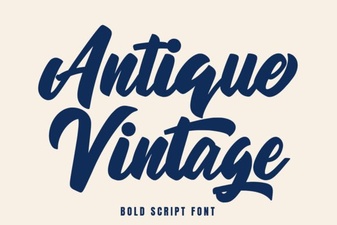 Timeless Antique Fonts for Creative Projects
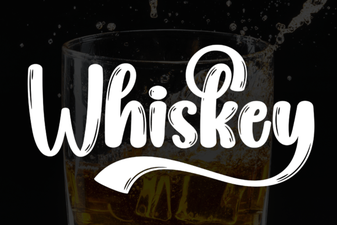 Whiskey Font Styles for Branding and Design
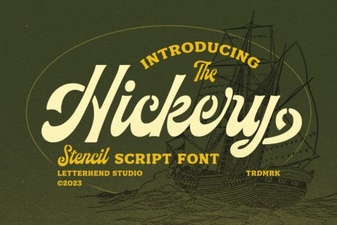 Hickery Font: Your Next Creative Project Partner
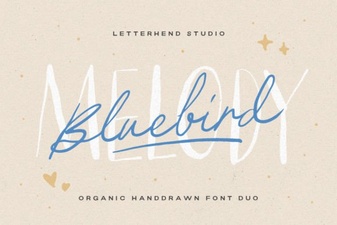 Bluebird Melody: a Creative Font for Projects
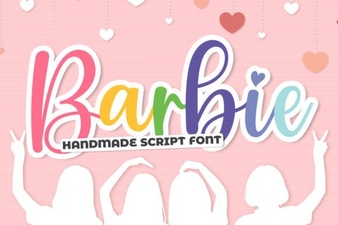 Barbie Fonts for Creative Design Projects
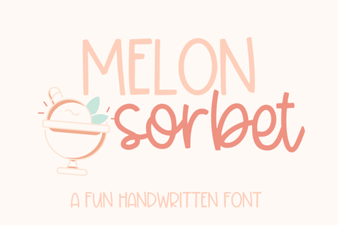 Melon Sorbet Font for Fresh Web Designs