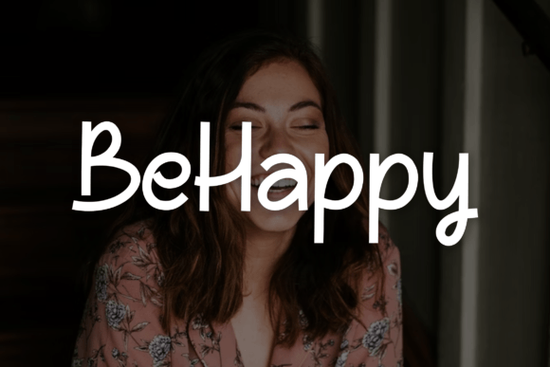
If you need a playful handwritten typeface that feels authentic without sacrificing readability, BeHappy Font delivers exactly that. Designed with a casual, brush-style flow, it brings a friendly energy to everything from boutique packaging to print-on-demand apparel. Many designers and small business owners choose this style when they want their branding to feel approachable and handmade, yet still polished enough for professional retail use.
What makes this handwritten typeface stand out?
The charm of this script lies in its uneven baseline and natural stroke variation. Unlike rigid display fonts, the letters mimic real pen pressure, giving your layouts a personal touch. The character set includes carefully crafted alternates and ligatures that prevent repetitive letter combinations from looking mechanical. When you type out a headline or a short quote, the connections flow smoothly, and the spacing feels balanced right out of the box. This saves you time in Illustrator or Canva because you spend less time manually adjusting kerning and more time focusing on composition.
Where does it work best in your projects?
Handwritten scripts thrive in projects that need a human voice. You will notice this typeface performs especially well in:
- Product packaging and labels for candles, skincare, or artisan food brands
- Social media graphics where quick readability and a warm tone matter
- Book covers and magazine titles targeting lifestyle or wellness audiences
- Shopping bags and retail tags that reinforce a boutique experience
- Print-on-demand merchandise like tote bags, mugs, and greeting cards
Because the strokes maintain clarity at medium sizes, you can safely use it for subheadings and short promotional phrases. Just avoid setting long body copy in any script font, as reader fatigue sets in quickly.
How do you pair it with other typefaces?
A lively script needs a calm partner to keep your design grounded. Match it with a clean sans serif or a subtle serif for supporting text. If you want to explore other handwritten options for different moods, you might test a softer alternative like a gentle melodic script for wedding invitations, or switch to a vintage-inspired handwriting style for retro posters. For summer merchandise, a fresh brush typeface keeps the palette light, while a rugged outdoor lettering set works better for camping gear. When you return to this cheerful handwritten design, you will notice how its balanced weight sits comfortably between delicate calligraphy and bold marker styles.
What should you know about licensing and file setup?
Before adding any font to your workflow, check the included license terms. Most marketplaces offer a desktop license for commercial use, but print-on-demand platforms and digital resale often require specific permissions. Always verify whether your intended use covers physical products or web embedding. Once confirmed, install the .OTF or .TTF files through your system font manager. You can review the latest version details and licensing options for BeHappy Font directly on the marketplace before starting your next layout.
How do you prepare script text for print and cutting machines?
When sending handwritten lettering to a printer or vinyl cutter, file preparation matters. Always convert your text to outlines before exporting. This locks the letter shapes and removes font dependencies. For screen printing, check that thin stroke connections are thick enough to hold ink without breaking. If you are using a cutting machine for decals, run a quick weld command in your design software to merge overlapping letters into a single continuous shape. Testing a small sample on your actual material saves time and prevents wasted supplies.
Quick pre-flight checklist before you publish or print:
- Verify commercial license coverage for your sales channel
- Convert all text to outlines to prevent missing font errors
- Check minimum stroke width for your chosen print method
- Weld overlapping characters if using a vinyl cutter
- Export at 300 DPI and run a test print on final material
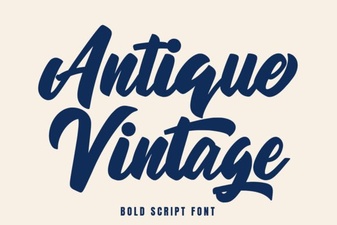 Timeless Antique Fonts for Creative Projects
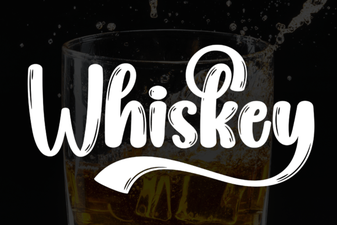 Whiskey Font Styles for Branding and Design
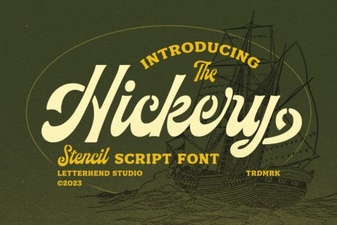 Hickery Font: Your Next Creative Project Partner
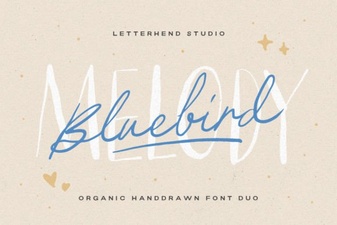 Bluebird Melody: a Creative Font for Projects
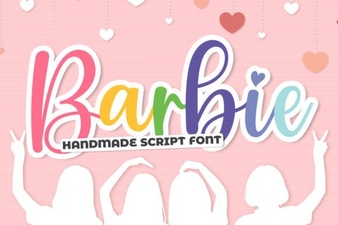 Barbie Fonts for Creative Design Projects
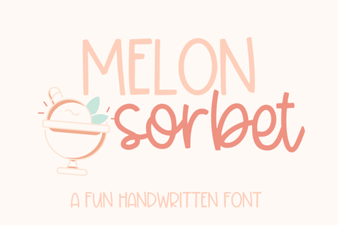 Melon Sorbet Font for Fresh Web Designs