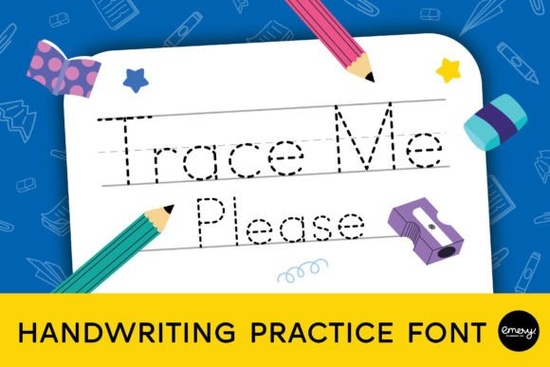
If you need a clean, reliable way to help kids practice handwriting, Trace Me Please Font was built exactly for that purpose. Instead of guessing how letters should connect or worrying about uneven spacing, this typeface gives you consistent dotted outlines that guide young learners through proper stroke order. Teachers, homeschool parents, and printable shop owners use it to make custom tracing sheets without spending hours drawing guidelines by hand.
How does a tracing font actually improve letter formation?
Children learn to write by following clear visual paths. When the dots are evenly spaced and the letter proportions match standard classroom models, kids develop muscle memory faster. This font keeps the baseline steady, maintains uniform dot spacing, and avoids decorative swirls that confuse beginners. You get a straightforward practice tool that works for preschool, kindergarten, and early elementary levels. The consistent shape also means you can scale the text up for large motor practice or shrink it for fine motor control without losing clarity on the page.
What can you realistically create with it?
The real value shows up when you start building your own materials. Instead of buying pre-made workbooks that never quite match your lesson plan, you can design exactly what your students or customers need. Here are a few practical projects that work well:
- Custom alphabet tracing pages with personalized names
- Number and shape practice sheets for early math skills
- Seasonal handwriting packets for classroom centers
- Print-on-demand workbooks sold through Etsy or Shopify
- Sticker sheets and dry-erase practice cards for home use
Small business owners especially appreciate how quickly they can turn a simple text box into a sellable digital download. Pair the tracing lines with a clean header font, add a light border, and you have a professional-looking worksheet ready for PDF export.
Which settings and file formats give the best print results?
Dotted fonts can look broken or too faint if they are not set up correctly. Start by choosing a size between 36 pt and 72 pt for early learners. Anything smaller makes the dots merge on standard home printers. Use a solid black or dark gray color rather than light pastels, since faint dots frustrate kids who are still learning pencil control. When you export your file, save it as a high-resolution PDF or PNG at 300 DPI. If you plan to laminate the pages for dry-erase markers, print on matte cardstock to reduce glare and prevent slipping.
Font pairing matters too. If you want a playful header for your worksheet covers, you might browse options like a soft monogram style to keep the page looking organized without distracting from the tracing area. For themed activity packs, a bold decorative typeface can work nicely on title pages while the dotted font handles the actual practice section. Keeping the design hierarchy clear helps both teachers and parents navigate your materials quickly.
Where do you find reliable tracing fonts and similar styles?
Not all dotted typefaces are created equal. Some have uneven spacing, missing punctuation, or inconsistent baseline alignment that ruins the learning flow. When you explore the collection of decorative and educational typefaces, look for complete character sets, clear licensing for commercial printables, and preview images that show the dots at actual print size. Testing a few sample words before committing saves time and prevents formatting headaches later.
If you want to see how this style fits into a larger creative workflow, you can also search for Trace Me Please Font to compare file formats, read user notes, and check licensing details for digital products. Most creators find that having a dependable tracing font in their library cuts design time in half and keeps worksheet quality consistent across multiple releases.
What should you check before publishing or selling your worksheets?
Before you upload a new printable or send it to a classroom, run through a quick quality check. Print one copy on the exact paper you plan to use. Trace a few lines with a standard pencil and a thick marker to see how the dots hold up. Verify that all letters sit on the same baseline and that punctuation marks are visible. If you are selling digitally, include a short instruction page that explains recommended font sizes, printer settings, and lamination tips. Clear guidance reduces customer questions and builds trust with repeat buyers.
Use this quick checklist before launching your next tracing project:
- Print a test page on your final paper stock and trace with both pencil and marker
- Confirm all letters sit on a steady baseline with even dot spacing
- Set font size between 36 pt and 72 pt for early learners
- Export as a 300 DPI PDF to prevent dot blurring
- Include a short instruction note for parents or buyers about lamination and pencil grip
Start with a single alphabet sheet, test it with a real learner, adjust the spacing if needed, and then expand into numbers or sight words. A clean, well-tested template will save you hours of redesign work and keep your printable shop or classroom resources consistent all year.
Explore Design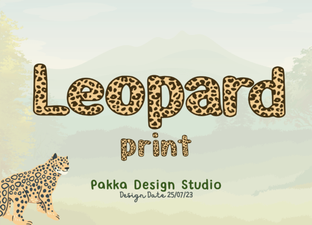 Style Your Project with Leopard Print Font
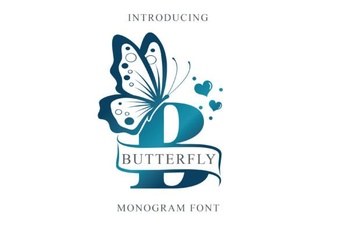 Butterfly Monogra: a Creative Font for Beautiful Projects
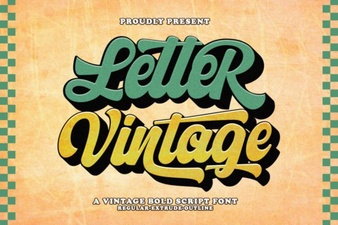 Vintage Lettering Fonts for Creative Design Projects
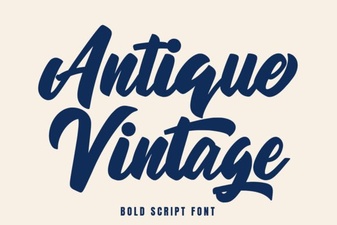 Timeless Antique Fonts for Creative Projects
 Whiskey Font Styles for Branding and Design
 Designing with Vintage Barbie Extrude Font Style