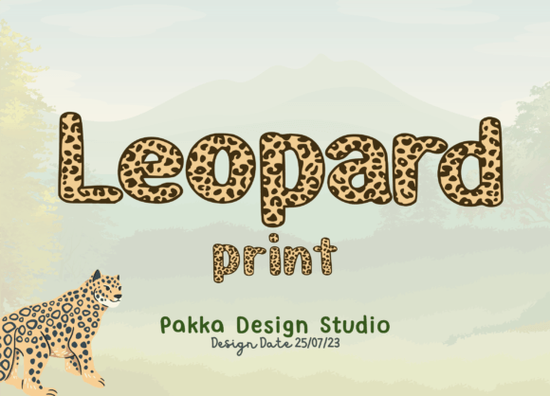
If you need a typeface that instantly brings a wild, adventurous feel to your layouts, the Leopard Print Font delivers exactly that. Instead of relying on flat letterforms, this design builds each character from realistic spot patterns and organic textures. It works best when you want to make a bold statement without adding extra graphics. Designers, crafters, and print-on-demand sellers often choose this style for wildlife-themed apparel, jungle party supplies, and social media posts.
What makes a leopard print typeface work for creative projects?
Decorative fonts succeed when they balance personality with readability. This style uses carefully spaced spot motifs to form clear letter shapes, so your audience can still read headlines at a glance. The wild animal theme gives off a natural vibe that pairs well with earthy color palettes. Because the pattern is baked into the glyphs, you save time masking images or applying complex overlays. You simply type your text, adjust the size, and let the font handle the visual weight. For small businesses and hobbyists, that efficiency matters. You can drop the typeface into Canva, Illustrator, or Cricut Design Space and get consistent results across cotton blends, vinyl decals, and matte paper.
Where should you use this wild animal theme in your designs?
Not every project needs a textured display font, but certain niches benefit greatly from it. Consider using it for:
- Apparel and accessories: Safari-inspired t-shirts, tote bags, and caps for outdoor enthusiasts.
- Event branding: Jungle birthday invitations, zoo fundraiser posters, or wildlife flyers.
- Home decor and crafts: Wooden signs, sticker sheets, and framed prints with a nature-forward aesthetic.
- Social media graphics: Short quotes or sale announcements that need instant visual contrast.
When you want to explore other decorative styles for seasonal collections, you might also browse options like a delicate monogram script for spring releases or a hand-drawn tracing typeface for kids’ activity books. Mixing different decorative fonts across a product line keeps your shop fresh without straying from your core niche.
How do you pair and style decorative fonts without cluttering your layout?
Patterned letterforms carry a lot of visual weight, so they rarely work well alongside other busy typefaces. The safest approach is to pair them with a clean, neutral sans-serif for body text. Let the decorative font handle the main headline or a single accent word, then step back and check the hierarchy. If the design feels crowded, increase the tracking slightly or add more white space around the text block. Color choice also plays a big role. While traditional black and brown spots read clearly on light backgrounds, you can experiment with muted greens or warm terracottas to match your brand palette. Avoid placing the font over detailed photographs, since the spot pattern will compete with the background.
What should you check before downloading a display font for commercial work?
Before you add any decorative typeface to your workflow, run through a quick verification process. First, confirm the licensing terms. Some fonts allow personal use only, while others include commercial rights for physical products or print-on-demand platforms. Make sure the license matches your intended sales channel. Next, check the file formats. Most modern design tools support OTF and TTF files, but vinyl cutters often require SVG conversions. Installation is usually straightforward, but it helps to restart your design software after adding new fonts to your system. If you want to see how this style fits into a broader decorative collection, you can review the full details on the leopard print typeface page and compare it with your existing toolkit.
Quick checklist before you start designing
- Verify commercial licensing matches your sales platform
- Install OTF/TTF files and restart your design software
- Pair the patterned font with a clean, simple secondary typeface
- Test readability at both small and large sizes
- Export a print-ready proof to check spot clarity and color accuracy
Run through these steps, and you will have a polished, wildlife-inspired design ready for production.
Explore Design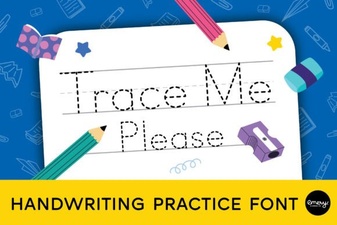 Trace Me Please Font Design Ideas & How-to Guide
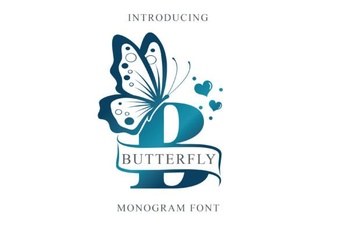 Butterfly Monogra: a Creative Font for Beautiful Projects
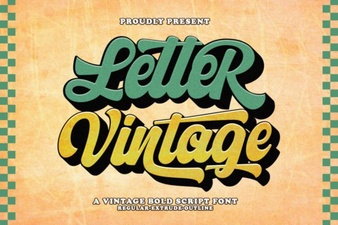 Vintage Lettering Fonts for Creative Design Projects
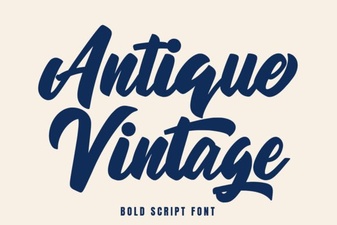 Timeless Antique Fonts for Creative Projects
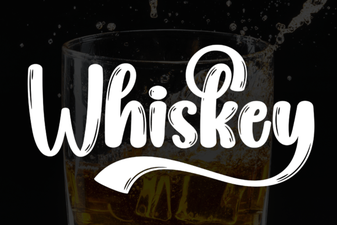 Whiskey Font Styles for Branding and Design
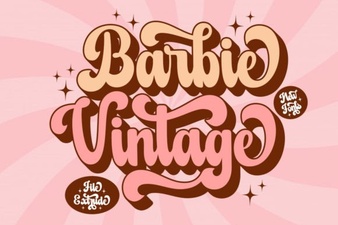 Designing with Vintage Barbie Extrude Font Style